Audio playback
School Zone Safety Essentials
Is this your podcast and want to remove this banner? Click here.
Chapter 1
Why School Zones Need More than Just Signs
JKP
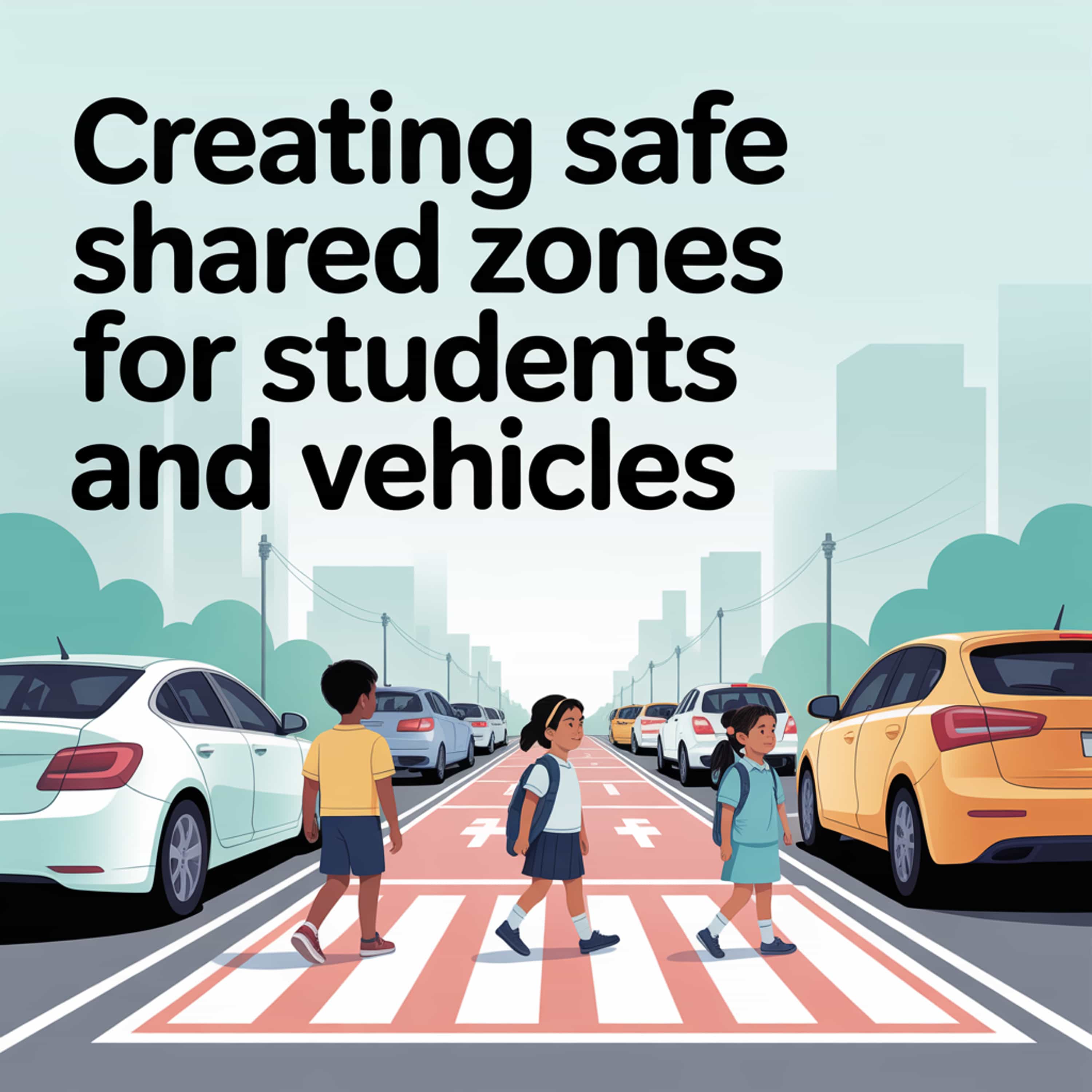
G’day everyone, Jason here from Speed Humps Australia. Welcome back to the podcast. Today, we’re diving into something I reckon every parent, teacher, and even the local tradie dropping off their kids has thought about—why school zones need a heck of a lot more than just a couple of signs to keep everyone safe. Now, if you caught our last episode, you’ll remember we talked about how driver inattention, speeding, and dodgy parking can turn a school pick-up into a bit of a circus. But let’s be honest, even with the best signage, school zones are still high-risk. There’s just so much going on—kids darting about, parents in a rush, and drivers who, let’s face it, sometimes have their minds elsewhere. I mean, kids are unpredictable, right? One minute they’re holding your hand, next minute they’re off chasing a footy or waving at their mate across the car park. And drivers, well, we’re creatures of habit. We get used to the routine, and sometimes that means we stop paying attention to the details. That’s why just sticking up a “10km/h” sign isn’t enough. You need something physical, something that actually changes behaviour. Funny story—back when my family first got into this business, it was actually a surprise invoice for a speed hump at one of our Cairns properties that got us thinking. We thought, hang on, there’s gotta be a better, more affordable way to do this, especially for schools. That’s what kicked off our whole journey, and honestly, it’s why I’m so passionate about making sure schools have more than just rules and signs—they need real, effective solutions.
Chapter 2
The Impact of Speed Humps and Complementary Products
JKP
So, let’s talk about what actually works. Speed humps—our bread and butter—are a game changer. They force drivers to slow down, not just once, but consistently, especially if you space them out properly. It’s not just about making it uncomfortable to speed, it’s about creating a rhythm that keeps everyone alert. And when you pair speed humps with clear signage and line marking, you’re basically telling drivers, “Hey, pay attention, this is a special zone.” But it doesn’t stop there. We’ve got rumble bars, which give you that little jolt—auditory and tactile feedback—so even if you’re daydreaming, you snap back to reality. Rumble strips do a similar job, especially near crossings or entrances. And then there’s wheel stops. These are brilliant in school car parks because they stop cars from overhanging onto walkways where kids are walking. It’s all about layering your safety measures. I’ve seen this in action with some of our projects—take Logan City Council, for example. They’ve used a mix of speed humps, rumble bars, and wheel stops to create a really robust system. Even in places you wouldn’t expect, like the KFC drive through, these products work together to keep things orderly and safe. It’s not just about one product, it’s about the whole package working together to keep everyone—especially the kids—out of harm’s way.
Chapter 3
Planning, Compliance, and Real-World Results
JKP
Now, here’s the bit that sometimes gets overlooked—planning and compliance. You can’t just whack in a speed hump wherever you feel like it. Everything’s gotta line up with local council guidelines and, of course, the Australian standards—AS 2890.1 and AS 2890.3, if you’re into the technical side. We work closely with councils, contractors, and schools to make sure every install is spot on. It’s not just about ticking boxes, it’s about making sure the products actually do their job and last. I remember a recent school car park project we did—can’t name names, but it was a classic case of needing a tailored approach. We had to coordinate with the school, the council, and the contractors to get the layout right, make sure the wheel stops were in the right spots, and that the speed humps met the standards. What we learned? Every site’s different, and you’ve gotta listen to the people who use it every day. That’s how you get real results—by combining the right products, proper planning, and a bit of good old-fashioned teamwork. Anyway, that’s all for today. If you’re thinking about making your school zone safer, or you’ve got questions about compliance or what products to use, give us a shout. We’ll be back soon with more stories and tips on keeping our shared spaces safe. Until then, stay safe and, as always, adventure on.